iPhone 17: your 2026 compass through Apple's smartphone lineup
Five iPhones sit in the refurbished catalogue right now: the iPhone 17, 17 Pro, 17 Pro Max, 16 Pro, and 14 Pro. Refurbished means a professionally tested, fully working device sold for less than new, not a compromise on quality.
Picking the right one means answering two separate questions: which tier fits your budget and habits, and which generation still holds up under everyday use. Two comparisons settle both: iPhone 17 vs 17 Pro vs 17 Pro Max sets tier against tier within the same generation, while iPhone 14 Pro vs 16 Pro vs 17 Pro tracks the Pro line across three generations. Shop the full lineup on refurbed.
Quick verdict: which iPhone actually fits you?
The iPhone 17 handles daily use, messaging, browsing, photos and social apps, at the lowest price of the three. Pick the iPhone 17 Pro for zoom photography, longer battery life and steadier performance in sustained gaming. The iPhone 17 Pro Max only adds a bigger screen and more battery on top of the Pro, same chip and cameras.
Browse refurbished on refurbed and match the model to how you use your phone.
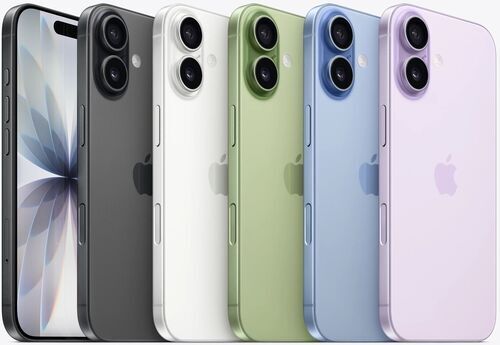
iPhone 17 vs iPhone 17 Pro vs iPhone 17 Pro Max: specs compared
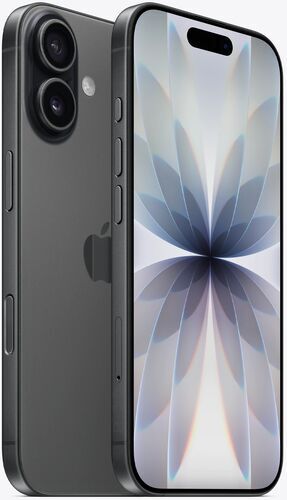
Chip
Apple A19
Display
6.3" OLED, 120Hz
Battery
3692 mAh
RAM
8 GB
Rear camera
Dual 48MP camera (main + ultra-wide)
Front camera
18MP
Connector
USB-C 2.0
Weight
177 g
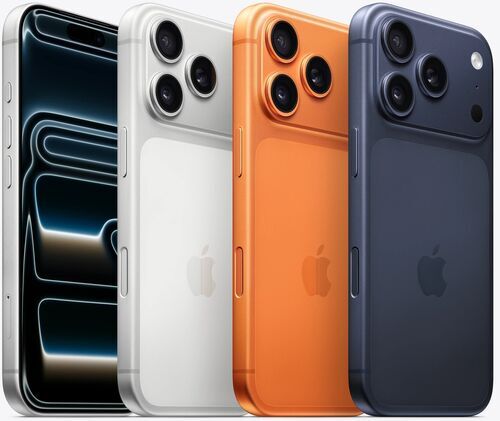
vs.
Apple A19 Pro
6.3" OLED, 120Hz
4252 mAh
12 GB
Triple 48MP camera (main, tele, ultra-wide)
18MP
USB-C 3.1
206 g
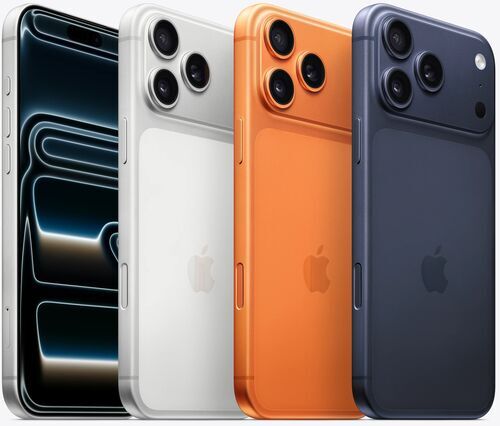
Apple A19 Pro
6.9" OLED, 120Hz
5088 mAh
12 GB
Triple 48MP camera (main, tele, ultra-wide)
18MP
USB-C 3.1
233 g
Performance: how big is the Pro gap, really?
The standard iPhone 17 runs roughly 4 to 5% behind the Pro models in short benchmark bursts, a gap that barely registers during everyday use like messaging, browsing, photos and social apps. The difference becomes clearer under sustained load: long gaming sessions or video exports. The Pro chips pack an extra GPU core, and the 17 Pro and 17 Pro Max add a copper vapor chamber cooling system that keeps performance steadier over time, while the base 17 can throttle when pushed to its limit for extended periods. That gap has plenty of buyers asking whether they need the Pro tier at all, or whether the standard 17 already covers what they do most days.
Feature verdict: what the extra euros actually buy
Extra euros used to buy a visibly smoother screen. Not anymore: the iPhone 17, iPhone 17 Pro and iPhone 17 Pro Max all run 120Hz OLED displays, so day-to-day scrolling and messaging feel nearly identical across the range.
The iPhone 17 covers most people who shoot between 0.5x and 2x zoom and skip RAW or Log video. Step up to the iPhone 17 Pro for real telephoto reach, a much longer battery, ProRAW and Log 2 video, faster USB-C 3.1 transfer speeds, and steadier performance under sustained gaming loads.
The iPhone 17 Pro Max runs the same chip and camera system as the Pro, and adds only a larger screen and even longer battery life on top.
iPhone 14 Pro vs iPhone 16 Pro vs iPhone 17 Pro: three generations compared
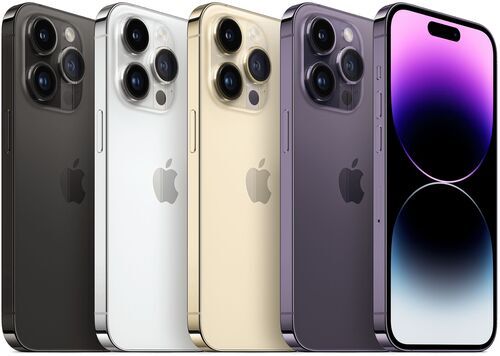
Year of release
2022
Chip
Apple A16 Bionic
Display
6.1" OLED, 120Hz
Battery
3200 mAh
RAM
6 GB
Rear camera
Triple camera: 48MP main + 12MP tele + 12MP ultra-wide
Front camera
12MP
Connector
Lightning
Weight
206 g
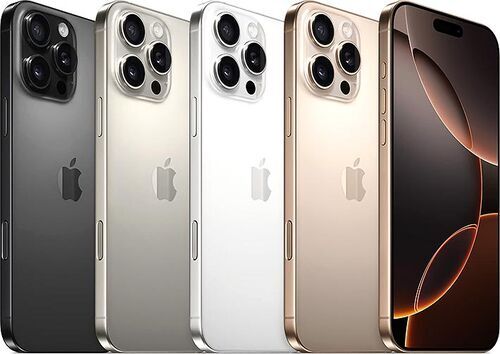
vs.
2024
Apple A18 Pro
6.3" OLED, 120Hz
3582 mAh
8 GB
Triple camera: 48MP main + 48MP ultra-wide + 12MP tele
12MP
USB-C 3.1
199 g
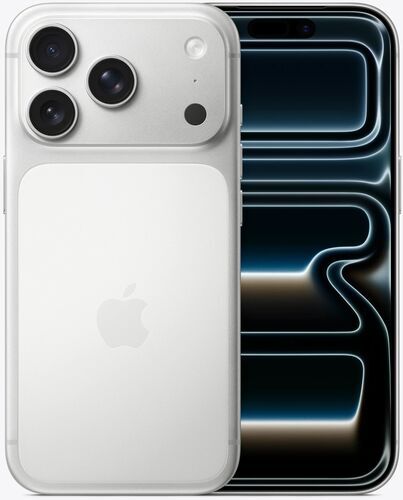
vs.
2025
Apple A19 Pro
6.3" OLED, 120Hz
4252 mAh
12 GB
Triple 48MP camera (main, tele, ultra-wide)
18MP
USB-C 3.1
206 g
Three generations, one throughline: what actually changed
Line up the last three Pro generations and a pattern emerges: steady, compounding gains rather than one big leap. CPU performance climbs roughly 22% single-core and 21% multi-core from the iPhone 14 Pro to the iPhone 16 Pro, then another 8% and 12% on to the iPhone 17 Pro, a combined 33% and 36% gain since 2022. Memory tracks the same trajectory: 6GB, then 8GB, then 12GB, giving apps more headroom to stay loaded in the background instead of reloading from scratch. The connector tells its own story too, Lightning gives way to USB-C starting with the 16 Pro, a shift that sticks through the 17 Pro and unifies charging cables across the lineup. Apple Intelligence draws a firmer line between generations: both Pro models run it, while the 14 Pro's older chip can't run it at all. Buy any of these on refurbed and you inherit that generation's ceiling, not its age.
The camera math: when the newest lens isn't automatically the best
Newer doesn't always win at every distance. The iPhone 17 Pro's telephoto system builds on a much larger 48MP sensor, reaching 4x optically and deriving 8x digitally, a real jump from the iPhone 16 Pro's dedicated 5x lens and the iPhone 14 Pro's 3x lens. But around 3x zoom, the iPhone 17 Pro can sometimes crop its main sensor instead of switching lenses, and an older Pro's dedicated lens at that exact focal length can sometimes hold more detail. Push past that middle ground to 4x, 8x and beyond, and the iPhone 17 Pro pulls decisively ahead. The right zoom range depends on where each phone's crossover point sits.
The honest trade-offs: sizing down, or stepping up from an older Pro
Stepping down from the iPhone 17 Pro Max to the iPhone 17 Pro rarely feels like a loss. The Pro Max's edge is a larger 6.9-inch screen and a bigger 5088 mAh battery, not extra capability, so the Pro carries most of the same experience in a lighter, easier-to-hold body.
Moving from an iPhone 14 Pro to an iPhone 17 Pro is a real trade-off. Stainless steel gives the 14 Pro a denser, more premium feel in hand, while the aluminium 17 Pro trades that density for much longer battery life and steadier cooling under sustained use.
The standard iPhone 17 now packs in adaptive 120Hz, always-on-style features and a strong dual camera, once Pro exclusives, which is why plenty of buyers are questioning whether they need the Pro tier at all this generation.
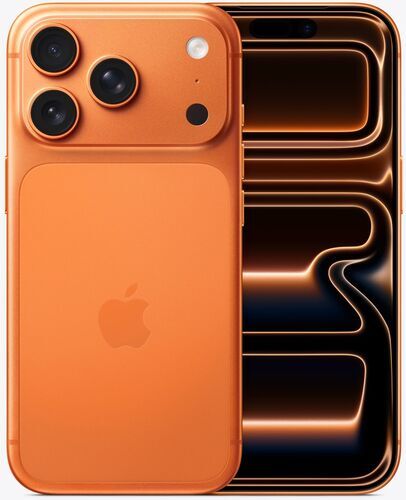
What's inside: the iPhone 17 family's shifting material mix
Apple has quietly unified its structural material across the whole iPhone 17 lineup. The iPhone 17, iPhone 17 Pro and iPhone 17 Pro Max all move to an aluminium unibody, a shift away from the titanium frame that defined the previous Pro generation.
Recycled content tells a more surprising story: the standard iPhone 17 enclosure uses 85% recycled aluminium, while the Pro and Pro Max sit lower, at 50%, despite costing more, a gap that traces back to the Pro line's new copper vapor chamber, a copper-intensive cooling component made with 100% recycled copper. Batteries stay consistent across all three phones: 100% recycled cobalt and 95% recycled lithium feedstock.
Manufacturing energy follows the same tier split. Apple's own environmental reports put renewable electricity at 35% for the standard iPhone 17's production, rising to 40% for the Pro and Pro Max.
Component costs shift the picture again: the camera and imaging system now accounts for close to a third of the standard iPhone 17's total component cost, more than the chip or the display.
Packaging has changed too: the iPhone 17 family ships in fully fiber-based boxes with no plastic, and the smaller box size fits more devices per shipment than before, cutting the shipping footprint per phone.
Materials get more sophisticated with each generation, but recycled content doesn't scale neatly with price. The recycled battery metals stay identical across the range, and the vapor chamber remains the only new material addition that sets Pro models apart.
From 14 Pro to 17 Pro: the material journey behind three generations
The iPhone 14 Pro's stainless steel frame gives way to titanium on the iPhone 16 Pro, then to an aluminium unibody on the iPhone 17 Pro, paired with a new copper vapor chamber that manages heat during sustained use. Three material approaches span three generations, each reflecting a different manufacturing priority rather than a straight upgrade path.
RAM growth tells a parallel story: 6GB on the 14 Pro, 8GB on the 16 Pro, 12GB on the 17 Pro. That climb mirrors how much more component density Apple packs into each enclosure, with memory chips, cooling hardware and camera modules all competing for the same internal space.
The connector shift matters just as much. The 14 Pro ships with Lightning, while the 16 Pro and 17 Pro move to USB-C, a change that simplifies cable sourcing and makes third-party repairs more straightforward.
Why buying any of these refurbished still wins
Every phone in this lineup, from the newest iPhone 17 Pro Max down to the still-capable iPhone 14 Pro, passes the same professional testing and grading before it gets listed. That testing and grading process delivers real savings at every tier, not just on older models: even the current iPhone 17 costs meaningfully less than buying new, and the price drops further as you move down the range. Every order on refurbed comes with a warranty and a 30-day trial, so you can check the device works exactly as expected before committing. Choosing refurbished keeps things affordable at any tier, without asking you to compromise on which model you want.

Environmental savings: iPhone 17 vs iPhone 17 Pro vs iPhone 17 Pro Max
Choosing a refurbished iPhone instead of buying new avoids real, measurable environmental impact. Based on scientific research by Fraunhofer Austria, verified according to ISO 14040/14044 standards:
iPhone 17 (256 GB)
↓ CO2 emissions: 70.8 kg CO2 SAVED (84% less than buying new, equivalent to driving around 495.6 km)
↓ Virtual water: 26,494 litres SAVED (88% less, equivalent to about 177 bathtubs full of water)
↓ E-waste: 154 g SAVED (78% less than buying new)
↓ Critical raw materials: 39 g SAVED (68% less)
↓ Conflict materials: 1.2 g SAVED (96% less)
iPhone 17 Pro (256 GB)
↓ CO2 emissions: 84.3 kg CO2 SAVED (86% less, equivalent to driving around 590.1 km)
↓ Virtual water: 31,408 litres SAVED (89% less, equivalent to about 209 bathtubs full of water)
↓ E-waste: 182 g SAVED (81% less)
↓ Critical raw materials: 47 g SAVED (70% less)
↓ Conflict materials: 1.4 g SAVED (96% less)
The iPhone 17 Pro Max isn't yet covered by the Fraunhofer dataset, but it shares the same manufacturing footprint drivers as the Pro, just at a larger scale.
Environmental savings: iPhone 14 Pro vs iPhone 16 Pro vs iPhone 17 Pro
Buying any of these three Pro generations refurbished instead of new avoids real, measurable environmental impact. Based on scientific research by Fraunhofer Austria, verified according to ISO 14040/14044 standards:
iPhone 14 Pro (128 GB)
↓ CO2 emissions: 51.7 kg CO2 SAVED (80% less than buying new, equivalent to driving around 361.9 km)
↓ Virtual water: 19,645 litres SAVED (84% less, equivalent to about 131 bathtubs full of water)
↓ E-waste: 179.4 g SAVED (79% less)
↓ Critical raw materials: 49.7 g SAVED (74% less)
↓ Conflict materials: 1.4 g SAVED (97% less)
iPhone 16 Pro (128 GB)
↓ CO2 emissions: 80.9 kg CO2 SAVED (86% less, equivalent to driving around 566.3 km)
↓ Virtual water: 30,110 litres SAVED (89% less, equivalent to about 201 bathtubs full of water)
↓ E-waste: 169.9 g SAVED (78% less)
↓ Critical raw materials: 46.4 g SAVED (72% less)
↓ Conflict materials: 1.4 g SAVED (97% less)
iPhone 17 Pro (256 GB)
↓ CO2 emissions: 84.3 kg CO2 SAVED (86% less, equivalent to driving around 590.1 km)
↓ Virtual water: 31,408 litres SAVED (89% less, equivalent to about 209 bathtubs full of water)
↓ E-waste: 182 g SAVED (81% less)
↓ Critical raw materials: 47 g SAVED (70% less)
↓ Conflict materials: 1.4 g SAVED (96% less)
Which iPhone should you buy refurbished?
Get the iPhone 17 if value matters most and you don't shoot RAW or Log video. It covers messaging, browsing, photos and social apps without a noticeable gap versus the Pro models.
Get the iPhone 17 Pro if you want telephoto photography, a bigger 4,252 mAh battery and steadier performance under sustained load like gaming or long exports.
Get the iPhone 17 Pro Max only if the larger 6.9-inch screen is the priority. It shares its chip and camera system with the Pro, so the Max mainly buys you extra size and a bigger 5,088 mAh battery.
Consider a refurbished iPhone 16 Pro if USB-C 3.1 speed and the 48MP ultra-wide matter but you want to spend less than 17-series pricing.
Consider a refurbished iPhone 14 Pro if budget comes first and Lightning plus a smaller lens set is an acceptable trade-off. Every option on refurbed gets tested and graded before it reaches you.
iPhone 17 lineup FAQs
Is the iPhone 17 Pro worth the upgrade over the standard 17? Yes, if you use telephoto zoom often or push sustained loads like gaming. The iPhone 17 Pro adds a dedicated telephoto lens, longer battery life and steadier sustained performance, while the iPhone 17 covers everyday use just as well.
Is the iPhone 14 Pro still worth buying in 2026? Yes, if value matters most. The iPhone 14 Pro runs Apple Intelligence and handles daily tasks smoothly, though it trails the iPhone 17 Pro by around 33% in single-core speed and still uses Lightning instead of USB-C.
What's the single biggest difference between 16 Pro and 17 Pro? Memory jumps from 8GB to 12GB, and the structural material changes too: the iPhone 16 Pro uses titanium, while the iPhone 17 Pro moves to an aluminium unibody with 50% recycled content.
How much can you save buying any of these refurbished? Buying refurbished costs noticeably less than new. Savings vary by model and condition, but every listing on refurbed includes multi-point testing and a warranty, so the discount never means guessing about condition.

Sign up for our newsletter for the first time and save 15 CHF!
Never miss an offer again.
Information about the use of personal data can be found in our Privacy policy.
Get the refurbed app
For iOS and Android


Confirm sign-up
Cliquez sur le lien dans notre e-mail de confirmation pour recevoir votre bon d'achat. Il sera valable pour tout achat supérieur à CHF 200.
- © Refurbed Marketplace GmbH
- Accessibility
- T&C
- Privacy Policy
- Imprint
- Legal Notices
- Cookie Policy