iPhone 14 vs 15 vs 16 vs 17: evolution, devolution or siblings?
You’re browsing refurbished iPhones and four generations show up at once: the 14, 15, 16 and 17. The newest one costs more, but does it deliver enough to justify the gap, or is an older generation still the smarter buy for what you actually do with a phone every day?
Having now a good sample of well-tested (widely tested!) iPhone models, we can run a systematic analysis across the main performance dimensions of the iOS smartphone ecosystem. The following paragraphs reveal what is actually going on inside these best-selling devices over time, generation per generation, giving us more than a buying guide evaluating pros and cons: we can enrich our intuition on the state of smart tech and the path forward.
This page treats all four honestly. Some changes are a clear step forward. Others just make the range harder to navigate, not better. And in a few places, picking an older generation is the right call, not a compromise.
Quick verdict: is this evolution, devolution or four different phones?
Four generations, four different reasons to choose them. The quick version before the deep dive:
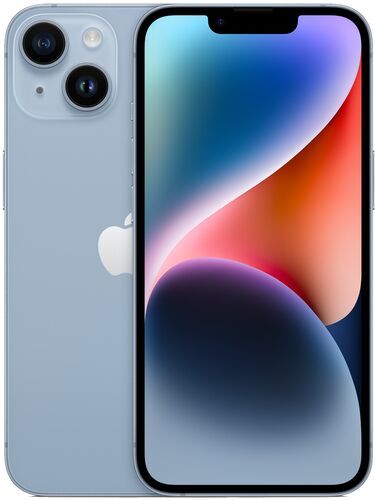
Get the iPhone 14 if you want the lowest refurbished price and don’t mind the notch and the Lightning port.
Get the iPhone 15 if you want Dynamic Island and the 48MP camera jump, without paying 16 or 17 prices.
Get the iPhone 16 if you want Apple Intelligence and the Action Button at the best value point in the range.
Get the iPhone 17 if you want the best display and camera the base line has ever had, and don’t mind paying the most of the four.
Feature by feature, this is evolution. As a lineup, it works better as four valid siblings.
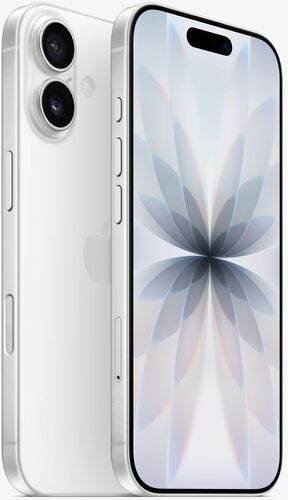
iPhone 14 vs 15 vs 16 vs 17: specs compared
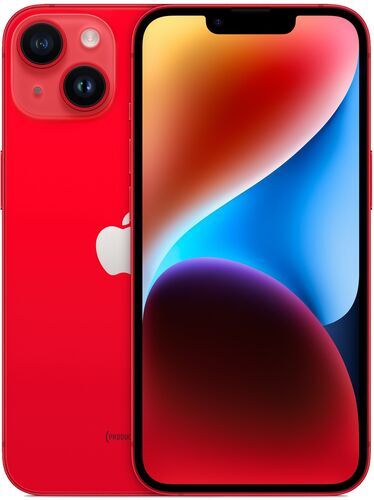
Chip
A15 Bionic
RAM
6 GB
Display
6.1" OLED
Rear camera
12 MP + 12 MP
Front camera
12 MP
Battery
3279 mAh
Connector
Lightning
Weight
172 g
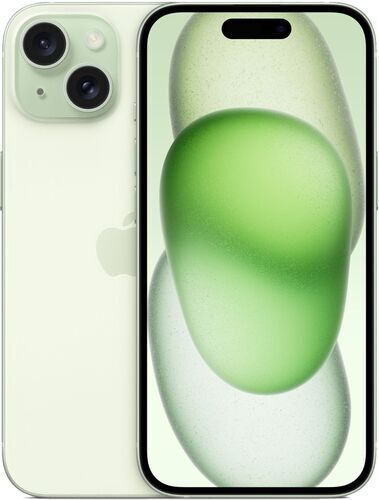
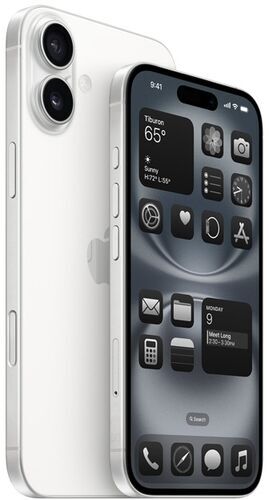
Performance: the clearest evolution of the four
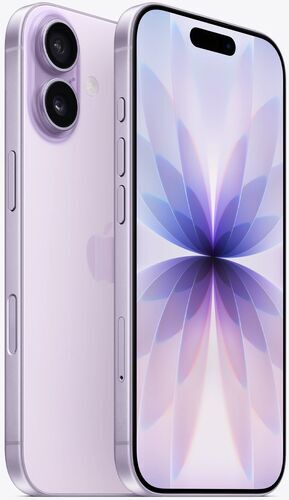
Every step here is a genuine upgrade. The chip moves from the A15 Bionic in the 14, to the A16 in the 15, to the A18 in the 16, and finally the A19 in the 17. RAM follows the same pattern: 6 GB on the 14 and 15, 8 GB on the 16 and 17, the extra headroom Apple Intelligence needs to run its on-device features. Battery capacity climbs steadily too, from 3279 mAh on the 14 to 3692 mAh on the 17.
None of this means the older chips struggle. Calls, messaging, browsing and most everyday apps run smoothly on the A15 today, just as they did on release day. The difference shows up in heavier moments: juggling several demanding apps at once, gaming, or running the newest on-device AI features, where the 16 and 17’s extra RAM and newer chip genuinely pull ahead.
Display and interface: how the base model quietly became the Pro model
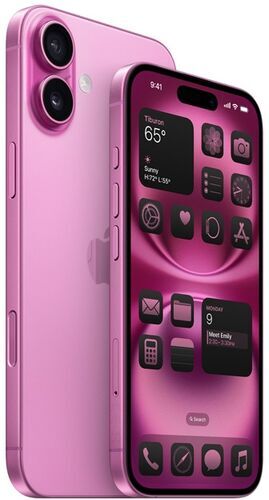
The interface changed more than the display did, at first. The iPhone 14 kept the classic notch and the mechanical Ring/Silent switch. The iPhone 15 brought Dynamic Island to the base model for the first time, turning the front camera cutout into an active space for timers, live activities and background tasks. The iPhone 16 went further, replacing the switch with the customisable Action Button and adding Camera Control, a dedicated slider for launching the camera and adjusting zoom or exposure.
The display itself took longer to catch up. The 14, 15 and 16 all run their screen at a standard 60Hz refresh rate, even as competitors moved to smoother panels years earlier. The iPhone 17 is the first base model with a 120Hz ProMotion display, a feature that used to be reserved for the Pro line.
It’s a pattern worth naming: Apple tends to introduce a feature as a Pro-only luxury, then normalise it to the standard model a generation or two later. Dynamic Island, the Action Button and now 120Hz all followed that path.
Camera: from 12MP snapshots to a genuine ultrawide upgrade
The camera is where the megapixel count only tells part of the story. The iPhone 14 shipped with a 12MP main and 12MP ultrawide camera. The 15 and 16 jumped to a 48MP main sensor, still paired with a 12MP ultrawide, a real difference for detail and cropping. The iPhone 17 takes it furthest, matching the ultrawide to 48MP as well and bringing the front camera up to 18MP.
The iPhone 16 also introduced Photographic Styles with Tone Control, letting you adjust colour grading directly in the viewfinder before you take the shot, a capability the 14 and 15 don’t have.
One honest caveat: a matching megapixel number doesn’t guarantee matching results. Base-model sensors are physically smaller than the ones in the Pro line, so low-light performance won’t be identical even when the MP count looks the same on paper.
For most people sharing photos on a phone screen or a social feed, the jump from 15 to 16 to 17 is subtle. The meaningful leap was 14 to 15.
Connectivity: USB-C and the real generational break
The iPhone 14 is the last base model to use Lightning. Every generation since, the 15, 16 and 17, uses USB-C instead.
That single change might matter more day to day than any camera or chip upgrade. USB-C means the same cable charges your iPhone, your laptop, your headphones and most other devices you own. It’s arguably the real generational break in this lineup, not a spec bump, but the point where an iPhone stopped needing its own dedicated cable drawer. If you already own USB-C chargers and cables from other devices, moving from the 14 to any of the 15, 16 or 17 removes a whole category of clutter, not just a phone spec.
How many years of software are you actually buying?
Apple Intelligence needs more memory to run its on-device features, and that draws a line straight through this lineup. The 16 and 17, both with 8 GB of RAM, support it. The 14 and 15, both with 6 GB, don’t.
That’s not the 14 and 15 getting worse. Every generation here still receives current iOS updates and keeps working exactly as it always has for calls, apps, photos and everything else people actually use a phone for daily. What changed is that a single software update, arriving years after some of these phones launched, split a lineup that used to feel interchangeable into two software-capability tiers.
It’s worth naming as its own dimension because it’s easy to miss: two phones can share almost every hardware trait and still end up eligible for a different set of features simply because of when they were designed.
So which is it: evolution, devolution or four valid siblings?
Take these four phones one feature at a time and the answer is clear: this is evolution. The chip gets faster every generation. The camera resolution climbs. The display and interface controls of yesterday’s Pro models become today’s standard. RAM doubles from 6 GB to 8 GB where it matters most.
Take the range as a whole, though, and a different picture appears. The growing feature gap and the Apple Intelligence memory cliff mean choosing an iPhone isn’t as simple as picking the newest one you can afford anymore. That’s the devolution: not worse hardware, but a harder decision.
The most useful way to read all this: four siblings, not four rungs on one ladder. Each is built for a different kind of buyer.
Get the iPhone 14 if the lowest refurbished price matters most and Dynamic Island isn’t a dealbreaker. Get the iPhone 15 if you want USB-C and the camera jump without paying 16 or 17 prices. Get the iPhone 16 if Apple Intelligence and the Action Button matter to you, at the best value point in the range. Get the iPhone 17 if you want the best display and camera the base line has ever offered, and price is a secondary concern.
Price plays into every one of those calls, and it deserves its own look.
Price: the real advantage of buying an older generation
Price is usually treated as the consolation prize for buying older. It shouldn’t be. Refurbished pricing steps down with each generation that launches after it, so the 14 and 15 sit meaningfully below the 16 and 17 while still running current iOS software and covering everyday use well.
Buying two generations back isn’t settling. It’s a deliberate choice to pay less for a phone that still does what you actually need it to do: calls, messages, browsing, photos, apps. The 14 and 15 remain genuinely good phones today, not leftovers waiting to be replaced.
The saving compounds at every point in the range, too. A refurbished iPhone 17 already costs meaningfully less than buying the same phone new, and a refurbished 14 or 15 pushes that saving further still. Whichever generation fits your needs, refurbished is the more affordable way into it.
Refurbished and the environment: Fraunhofer savings across all 4 generations
The environmental case for buying refurbished doesn’t fade as a phone gets older, and the numbers back that up across all four generations here.
iPhone 14: 47.9kg CO2 ↓ (79%) and 18,214 litres of water ↓ (83%) SAVED vs. buying new.
iPhone 15: 68.2kg CO2 ↓ (84%) and 25,479 litres of water ↓ (87%) SAVED vs. buying new.
iPhone 16: 67.7kg CO2 ↓ (84%) and 25,293 litres of water ↓ (87%) SAVED vs. buying new.
iPhone 17 (256GB+): 70.8kg CO2 ↓ (84%) and 26,494 litres of water ↓ (88%) SAVED vs. buying new.
The takeaway: whichever generation you choose, the environmental saving lands in roughly the same range. Buying a refurbished 14 is just as much a win for the planet as buying a refurbished 17.
Every device on refurbed also comes with a minimum 12-month warranty and a 30-day trial, whichever generation you pick. Our refurbished iPhone guide covers the full testing process if you want the details.
iPhone 14 vs 15 vs 16 vs 17 FAQs
Is the iPhone 14 still worth buying in 2026?
Yes. It still runs current iOS updates, handles everyday apps, calls and photos without trouble, and its refurbished price is the lowest in this range. Skip it only if Dynamic Island or the camera jump to 48MP genuinely matters to you.
What’s the single biggest difference across the four generations?
The Apple Intelligence RAM requirement. The 16 and 17 support Apple’s on-device AI features with 8 GB of RAM; the 14 and 15, both with 6 GB, don’t. Every other difference is more gradual.
Does the iPhone 17’s 120Hz display actually matter day to day?
Yes, especially for scrolling and animations, which feel noticeably smoother than on the 60Hz displays of the 14, 15 and 16. It’s a comfort upgrade rather than a must-have one.
Is an older refurbished iPhone still a good environmental choice?
Yes. The CO2 and water savings stay in a similar range across all four generations, so buying a refurbished 14 saves close to the same order of magnitude as buying a refurbished 17.
Can I save money buying an iPhone 14 or 15 refurbished instead of a 16 or 17?
Yes. Refurbished pricing steps down with each older generation, so the 14 and 15 sit below the 16 and 17 while still covering everyday use well. For a closer look at the 15 specifically, see is the iPhone 15 still worth buying.

Sign up for our newsletter for the first time and save 15 CHF!
Never miss an offer again.
Information about the use of personal data can be found in our Privacy policy.
Get the refurbed app
For iOS and Android


Confirm sign-up
Cliquez sur le lien dans notre e-mail de confirmation pour recevoir votre bon d'achat. Il sera valable pour tout achat supérieur à CHF 200.
- © Refurbed Marketplace GmbH
- Accessibility
- T&C
- Privacy Policy
- Imprint
- Legal Notices
- Cookie Policy