Refurbished gaming consoles: same play, smarter price
A PS5 or Xbox Series X does not have to be brand new to run at full speed. It needs to be tested, honest about its condition, and backed by someone who stands behind it if something goes wrong. On refurbed, that is what refurbished actually means: a console that has been checked, cleaned, and reconditioned instead of just wiped down and reboxed.
What buying refurbished gets you:
- A lower price than a brand new console, without a mystery attached
- Full functional testing before the console ships
- A warranty and a return window, not a shrug and a receipt
- One less console on its way to landfill
Not every seller treats refurbished the same way. Some run a real process. Others just clean the shell and hope nobody looks inside.
Why refurbished gaming consoles aren’t all the same
A clean shell tells you almost nothing about what is happening inside a console. Dust wipes away in five minutes. A cracked solder joint or a swapped part takes a screwdriver and a microscope to find, and most sellers never show you either.
What actually gets checked before a console reaches you, here:
- Functional testing on every port, drive, and controller input
- A cosmetic grade that matches what is in the listing, not a guess
- A warranty that covers the console after it ships, not just before
Two very different failure patterns show up again and again once you start comparing sellers: consoles bought through open marketplace listings, and consoles bought through pre-owned trade-in stores. Neither one matches the process above.
The refurbished console lottery: what’s really inside the shell
Exterior condition and interior condition are two different questions, and most refurbished listings only let a buyer answer one of them. A console can look spotless in photos and still hide a resoldered joint, a missing serial number, or a part swapped in from a different unit entirely. Here is what that looks like in practice, across two of the most common places people shop for a “refurbished” console.
Marketplace refurb consoles: great shells, unpredictable insides
Open marketplace listings for refurbished handhelds and consoles tend to nail the outside. Shells arrive clean, screens get replaced, and photos usually match what shows up at the door. What happens inside the case is a different story, and it swings wildly between listings from the same seller.
One handheld arrived with a fully replaced front panel and a new speaker: a proper component-level repair, not a wipe-down. Another, sold at a similar price, had a torn charging port pad and a wire-trace repair soldered directly onto a connection that was never meant to be touched. A third used a strip of tape to restore button feel instead of replacing the worn part underneath.
Then there is the listing language. Some ads describe consoles as unlocked in ways that hint at firmware or region modifications, changes that can affect online functionality and any claim to support later on. Prices move too: one handheld dropped by roughly $200 within weeks of being bought at the higher price, which says more about the marketplace than the hardware.
A resoldered wire trace, a modified firmware, a price that drops $200 in a month: none of it shows up in a product photo. The only way to know what is inside a marketplace refurb console is to open it up, and by then it is already yours.
Trade-in and pre-owned store consoles: the Franken-console problem
Trade-in and pre-owned retail stores work differently. Instead of a marketplace seller shipping direct, the store buys consoles back from customers, patches them up, and resells them at a markup. One independent buying test bought one of every console type from a major retail chain, roughly $1,542 in total, then immediately traded every unit back in to see what came back. The total: about $346, under a quarter of what went out the door.
Two consoles in that batch had their serial numbers removed entirely, and the store refused to take either one back in trade, no questions asked. Another showed mismatched internal parts and disassembly marks consistent with components being swapped between a broken unit and a working one: a “Franken-console” built from more than one donor. Missing accessories, like charging cables, had to be bought separately at the counter.
A certified refurbished sticker on the box says nothing about which parts came from which console, or whether anyone can even trace where it came from.
How refurbed keeps refurbished consoles honest
Both of those failure patterns share the same root problem: nobody checked the console before it reached the buyer. On refurbed, that check happens first, not after a complaint.
What is different here:
- Every seller on the marketplace is vetted before they are allowed to list
- Every console is functionally tested and cosmetically graded before it is published, and the grade in the listing has to match what arrives
- Every order carries a warranty and a return window, so a problem after delivery is not the buyer’s problem alone
That does not mean every refurbished console is identical. It means the condition you are told about is the condition you receive, whether that is a PS5 or an Xbox Series X.
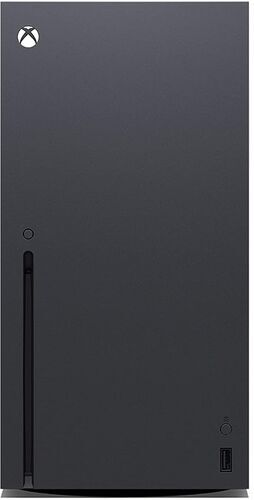
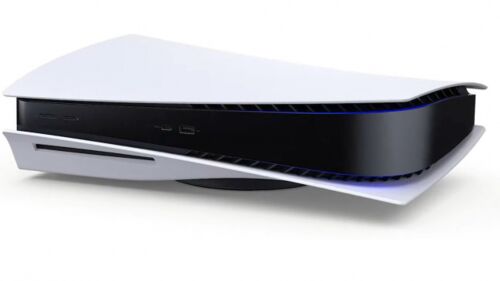
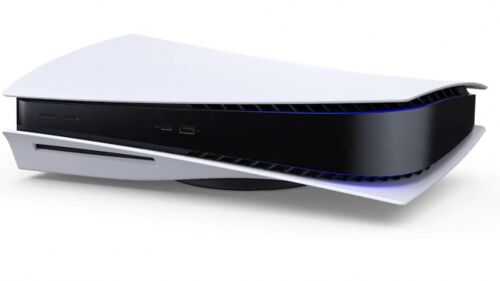
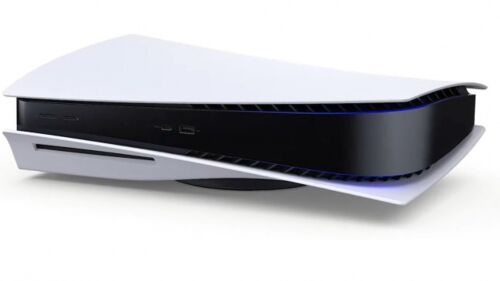
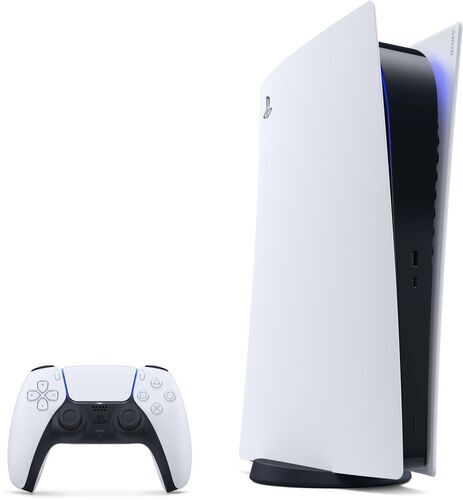
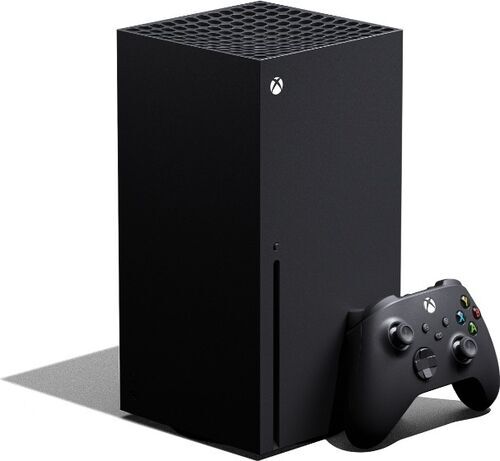
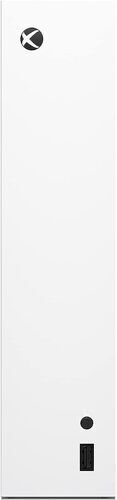
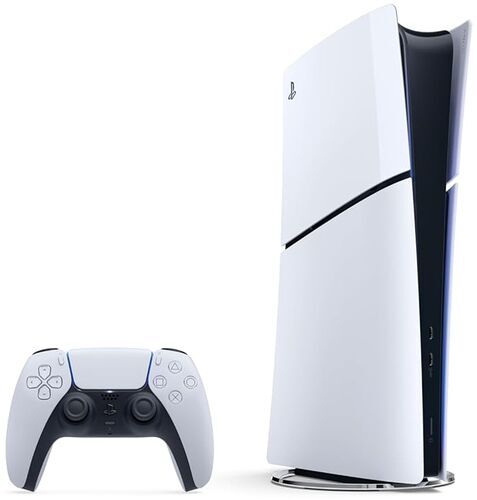
PS5 vs Xbox Series X: which refurbished console wins?
Processor
AMD Zen 2
Graphics Card
AMD Radeon Graphics
RAM
16 GB GDDR6
Connectivity
Wi-Fi ac/ax, Bluetooth 5.1
Connectors
USB-C 3.1, 2x USB-A 3.1, USB-A 2.0, HDMI 2.1
Optical Drive
Blu-ray Disc
Weight
4.5 kg
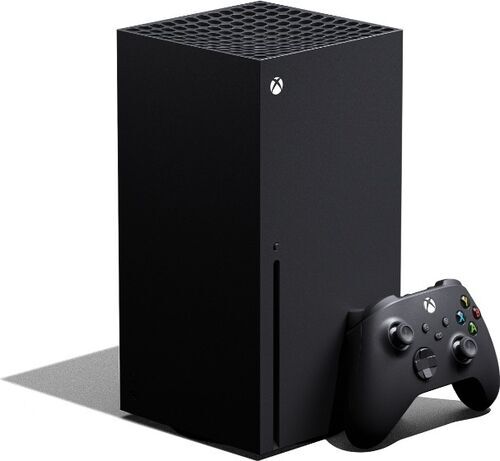
vs.
AMD Zen 2
AMD Radeon Graphics
16 GB GDDR6
Wi-Fi ac
3x USB-A 3.1, HDMI 2.1
Blu-ray Disc
4.45 kg
Real-world performance: why teraflops don’t decide the winner
Xbox Series X posts a bigger number on the spec sheet: about 12 teraflops of graphics power against the PS5’s 10.28, plus a modest edge in raw CPU speed. On paper, Xbox wins that comparison outright.
In practice, it barely matters. Run the same multiplatform game on both consoles and the results land close enough that most players could not tell which is which blind: comparable 4K resolution, comparable frame rates, sometimes a shade smoother here or there depending on how a studio optimised the build. Where the gap shows up is loading: the PS5’s custom SSD gets players into a match or a save file faster than Xbox Series X does in most head-to-head tests.
A bigger teraflop count is not nothing. It is just not the number that decides which console feels better to play.
Game Pass, PS Plus, and the real cost of owning a console
Xbox Game Pass Ultimate runs somewhere between $15 and $30 a month depending on tier, and it unlocks Day One access to hundreds of games the moment they launch. For a player working through several new titles a month, that math is hard to beat: a handful of $70 releases would cost more than a year of the subscription.
PS Plus Premium runs closer to $160 a year and skips Day One access to first-party titles, but it suits a different kind of player: someone who buys the two or three games a year they finish, rather than grazing across a catalogue.
Here is the part the unbeatable-value pitch leaves out. A subscription is a recurring cost, and recurring costs compound. A moderate player who logs in twice a month, plays one game, and lets the rest of the catalogue sit unused can end up paying more over a couple of years than buying those same games outright. The right subscription is not about the sticker price. It is about how many games get played.
The ecosystem paradox: when a console starts making itself optional
Xbox’s biggest pitch is that Game Pass follows a player everywhere: console, PC, handheld, phone, even a VR headset through cloud streaming. It is an ambitious vision, and it works well enough to create a strange side effect. Long-term Xbox owners increasingly report barely turning on the physical console at all, because the same library and the same saves are one tap away on a device that was already open.
Meanwhile, many of Microsoft’s own marquee titles now ship on PS5 too. That flips the usual script: a PS5 owner who buys one of those games individually pays full price for software an Xbox subscriber already has bundled in, and PS5 still ends up as the platform where those same games sell the most units on their own.
Crossplay has quietly removed another old argument. With most major titles supporting cross-platform play as standard, buying where your friends already play stopped being a reason to pick a side. What is left is a simpler question: which library and which service model fit how someone plays.
Browse refurbished gaming consoles
When a hybrid console is the smarter refurbished pick
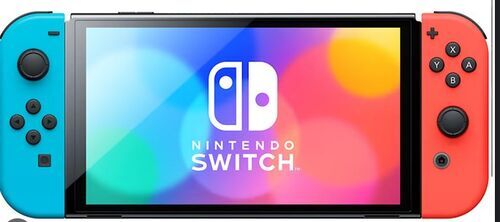
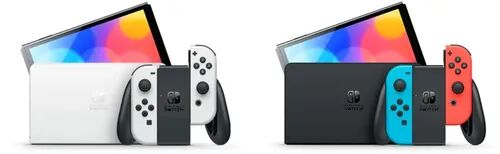
PS5 and Xbox Series X are not the only two options once resale value and condition enter the picture. A hybrid console like the Nintendo Switch OLED sits in the same market, and it comes with its own resale pattern worth knowing about.
Independent buy-back testing across a full console lineup found something telling: a handheld held up better under inspection than most home consoles in the same batch, showing up with only a worn joystick and faded grips after years of use, while glossier home consoles in the same test turned up dust, scuffing, and mismatched controllers. Condition is not just about price tier. It is about how a console gets used and carried.
The same trade-off logic that applies to PS5 storage tiers and Xbox Series S versus Series X applies here too: a bigger screen and longer battery life cost more, and a smaller, lighter model gives most of the experience for less. Picking the right tier means naming what gets given up, not just what gets saved.
Refurbished gaming console FAQs
Is a refurbished PS5 or Xbox as reliable as a new one?
Yes. Every console is functionally tested before it is listed, covering ports, drives, and controller inputs, not just a visual check. Reliability comes from testing, not from how many hours are on the clock.
What gets checked before a console is listed?
Functional testing on every port and input, a cosmetic grade that matches the listing, and a full clean of the unit. Sellers on refurbed are vetted before they are allowed to list a console at all.
Is the warranty real?
Yes. Every order comes with a warranty and a return window, so a fault discovered after delivery is covered, not something the buyer absorbs alone.
Do accessories come included?
Whatever ships with a console is listed on that specific product page, so there is no guessing at checkout. Compare that to trade-in stores, where missing cables often turn into an extra charge at the counter.
Ready for serious gaming without the anxiety of shoddy mechanics?
A refurbished console should feel exactly like the console it is, minus the price tag and the guesswork. Browse the current PS5 and Xbox Series X listings on refurbed and see what condition, warranty, and price look like side by side.

Sign up for our newsletter for the first time and save 15 CHF!
Never miss an offer again.
Information about the use of personal data can be found in our Privacy policy.
Get the refurbed app
For iOS and Android


Confirm sign-up
Cliquez sur le lien dans notre e-mail de confirmation pour recevoir votre bon d'achat. Il sera valable pour tout achat supérieur à CHF 200.
- © Refurbed Marketplace GmbH
- Accessibility
- T&C
- Privacy Policy
- Imprint
- Legal Notices
- Cookie Policy